Hey There,
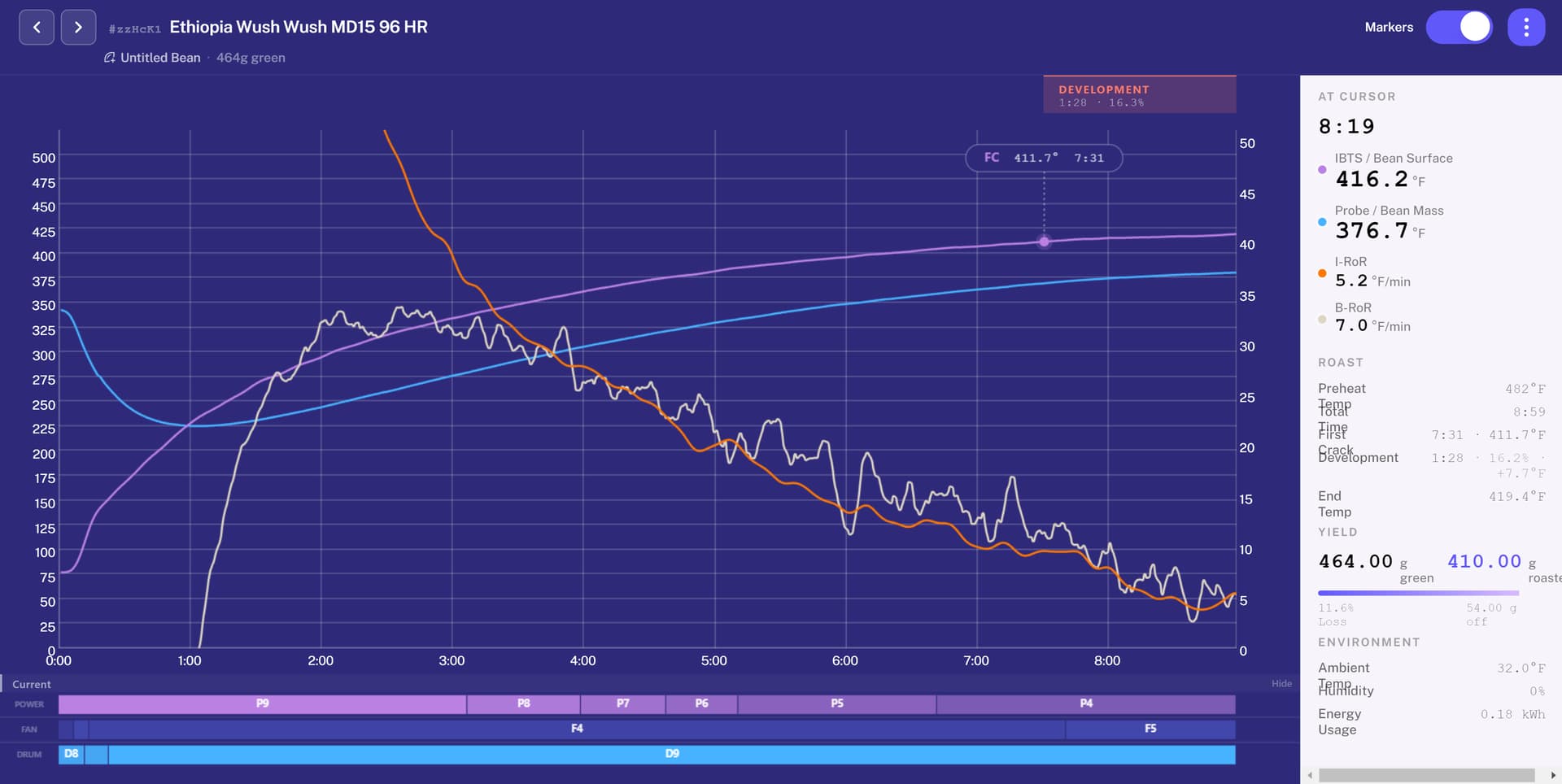
I recently roasted an Ethiopia WUSH WUSH 96HR that resulted in an uneven color.
The coffee still tastes great, but maybe it could be improved with a more even result. Anyone understand why or how this uneven color happens?
I appreciate your comments>
Larry
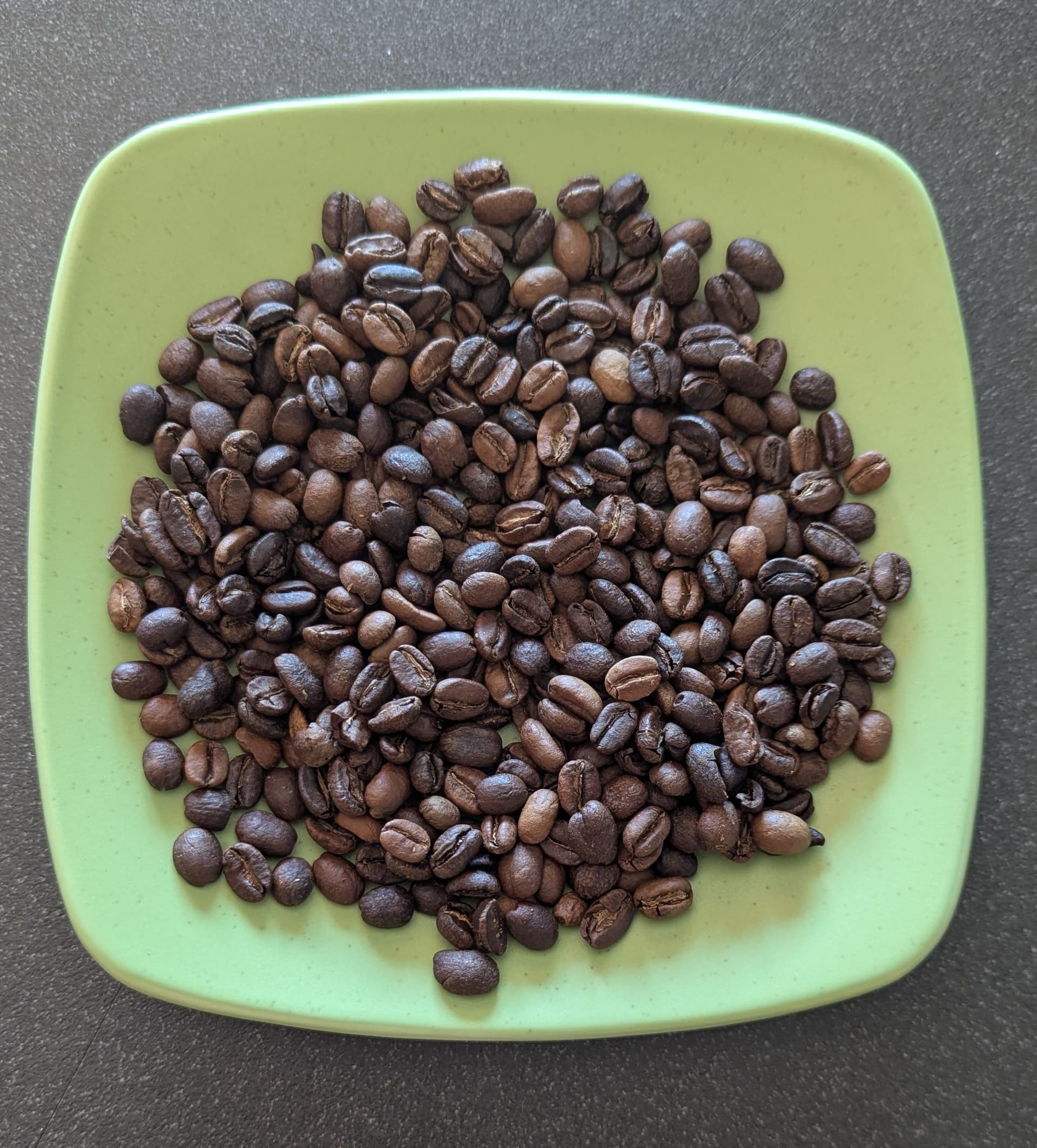
At the risk of embarrassing myself in front of more knowledgeable forum members, I’ll have a go at a possible explanation:
From my own limited experience, some Ethiopian beans can generate an unusually high amount of “quakers” - the pale looking beans on your photo. If you taste one of them, you might find that they taste a bit like peanuts rather than coffee.
You wrote that the coffee still tastes “great”… Iff I am right, removing the quakers will result in a coffe that you might find tastes rather sensational!
I think I read somehwere that especially Ethiopian beans can contain up to 40% quakers sometimes.
As to why this happens especially with Ethiopian beans, I will let someone older and wiser than myself explain.
TLDR: Probably an issue with the beans rather than with the roaster.
Hi Larry – expect uneven roasts with Ethiopians (especially if they’re dry processed or anaerobically processed) It’s not a bad thing and I wouldn’t even say I see many quakers in that roast. When I look for quakers in a roasted batch of naturals / co-ferment / anaerobic they tend to be WAAAAAY lighter in color than the lighter beans I see in your roast.
Your profile looks pretty solid and if the result tastes great your in a good spot. One thing you could try to see difference/improvement is shorten development time to around 1min. It may bring out what I would imagine are some fruitier/floral notes in that bean.
1 Like
Okay then,
That is interesting information about Ethiopian coffee producing so many quakers, I thought maybe they were quakers, but not white enough and too many of them.
Could it be that the anaerobic processors new the beans contained possible quakers and anaerobically processed them to cover?
I chewed both the light color and dark color beans and didn’t distinguish much of a flavor difference.
If it happens again in my next roasting session I will separate them and brew each individually, could be fun.
Interesting how processing affects the end color of a roast and even more interesting it affects Ethiopian coffees more than others.
I’ll plan for a lighter roast in my next roasting session to brighten up the cup.
I’m always looking to roast coffee for an exemplary flavor.
Well, if you tasted no difference between the darker and lighter roasted beans, then the thewildcup might be right.
I will have to check next time I sort my ethiopian beans, as in the past, I might have wasted some precious beans unnecessarily.
1 Like
Judging by the picture, the bag is roughly 50/50 light and dark beans. My read is that a 98-hour fermented lot was blended with classic natural beans from the same washing station. Producers do this for two reasons: to stretch the supply of coffee sold under the premium fermented label, or because a 100% fermented lot can be too intense and needs diluting. Easy way to test it: hand-sort the two colors, cup them side by side, and compare.