Sorting Out Imperfect Coffee Beans and Quakers

I spend more time sorting out and removing undersireable beans than I do roasting, about 45 minutes for every pound of coffee roasted is spent sifting through and taking out bad beans.

I have noticed that whenever I buy pre roasted coffee there are a lot of quakers and damaged beans mixed in. It’s part of the reason why I stopped buying roasted coffee. This applies straight across the board, no matter what I spend on “specialty” coffee, the one exception being The Coffee Project in NYC.

What I wonder, now that I have a whole community of coffee roasters to potentially engage with is, how much time if any do you spend on sorting out the less than ideal beans, and how much do you usually loose in weight?

For clarity, I usually loose between 13 - 16% total weight in roast and then another 5 - 10% after sorting.

Best Regards!

1 Like

I’m sorry I can’t remember the exact video, but there was one by the Mill City Roasters or Sweet Maria’s where two guys were talking about that and one of them said: “I just leave them in.”. I’m with that guy. My personal opinion, which shouldn’t have any influence on anyone else, is that I’m not able to perceive such a great difference in cup to be worth the trouble. The quaker rich lower grade (still pretty high compared to other coffees) Yemeni coffees are spectacular with or without them. I repeat, it’s just an opinion, but if the coffee is really, really good, a few quakers can’t ruin it. Actually, for coffee to be considered specialty it must have less than 5 secondary defects, in reality from 1 to 5 depending on the defect, every 350g, which is 0.77lb. That means beans. Even if you’re roasting a full load, you shouldn’t find more than 14 defective beans, which would amount to 3-4g or around 0.0023lbs. I’m sorry, I got carried away, but it came to me while I was writing and it’s important that you get your money’s worth. I drink a lot of naturals, but I’ve never seen 5-10% defective beans. I know unripe beans (quakers) are considered fault and not a defect, but even so 5-10% is a lot. I mean, they are cupping the coffees after evaluating the green. I apologize again for the sharp turn I took.

How to Grade Green Coffee - Size, Defects, Scoring Quality. — ROCC

2 Likes

Noooooo!!!

5% - 10% loss from sorting sounds absolutely over the top to me, unless you source really poor quality beans, which I do not think you do.

Even worse, 45 minutes of sorting would totally and utterly suck all the joy of roasting out of me!

I am with braca. While I do sort out typically 1-2% of beans for quakers and defects while the Bullet cools down, I also doubt that I could taste the difference, if I just left them in.

If I was your neighbour, I would stop roasting coffee myself and just ask for your discarded beans. :wink:

To be fair, I would also offer to do a blind tasting of coffee with you, where we try coffee with and without fully sorted beans to see whether or not you yourself would notice the difference.

1 Like

Sorting is not what I consider a good time but I am also not sourcing super high quality beans. In fact, right now I’m roasting a Colombian coffee graded Excelso GP. It’s not the top premium but a good second tier coffee, it cost about $5.50 a pound.

I have never cupped unsorted coffee, that is something I will have to consider. It actually sounds interesting to try and see if I can sus out the unsorted from the sorted in a blind cupping. However, I have cupped beans that were sorted out.

I was curious about the beans that were borderline acceptable, so I saved all the beans that were discarted and then I sorted the best ones from there. The result was a drinkable coffee, however the flavors were muted and muddied with less desireable flavors, especially when compared side by side with the sorted beans.

My conclusion is that if you want a clean cup, and a consistent result, sorting is a must. Even the borderline good beans will not add to the flavors in the cup and in fact will mute the desired flavors. I have to re examine this and take into consideration what y’all are saying, but I still lean towards removing defective, over/under roasted, and insect damaged beans.

On the same note, I challenge you to sort out your coffee, take your time with it, maybe treat it like a meditation. Personally I watch netflix or listen to podcasts while sorting. Then set up a cupping with unsorted beans, sorted beans, and discarted beans. I would love to know if I can change some minds or perhaps find out that in fact I am just stick in the mud that is overthinking the whole process hahaha

@1stinline4model3.lha @braca19452f9m

Well, I’d be remiss talking about prices in the US, but in the EU, I can get an 85.25 SCA score coffee from Tarrazú (Costa Rica) at 9.61 dollars per kg (done the conversion), which would be more than 2 pounds. Of course, they are 60kg bags. If you have a roastery, I don’t see why you’d buy retail. But that’s just me talking about US prices before doing any research. But I’ve seen some 87-88 beans sell at auctions at 12-15$ per kg, but you must buy the whole lot, which goes anywhere from 150 to 500kg. These auctions are available in the US. Any coffee above 80 is specialty, so there would be the number of defects I mentioned above. My advice, since I’m not going to do the research, is to do it yourself. Contact the importers, if you’re buying less than a whole lot directly from producers and, in my experience, most of them will be happy to ship even one bag to you. And there are coffees that come in 30kg bags. Also, talking to producers at WOC, some of them told me that they also could get you sorted out even for 1 bag. It’s a tiresome process, but trust me that it is worth the effort.

1 Like

I admit your tast buds might be operating at a higher level and are better trained than my own. I am also ignorant about how to spot let alone sort out insect damaged beans. So far, I have tried cupping ONCE in my life… but I will revisit that and I am keen to learn!!!

As for the cupping challange parameters though, for me the real test would be this:

Do what I have never done before and - sort out ~7.5% of defective beans by weight - take about 45 minutes to do so

and compare that against

my usual 2-3% sorted beans that take me 5-10 minutes tops.

I can taste the difference with my 2-3% discarded beans and the sorted beans, as most of the discards would be quakers.

PS: I think you jinxed it for me americancoffeeroaste,as today for the first time in a long time I had three little stones in my roasted beans and I messed around forever trying a vacuum cleaner based contraption for sorting the stones from the beans… :sweat_smile:

2 Likes

Seems like you get better prices than we do, our current offering is from Huila Santa Maria Colombia . Our supplier charged us 5.50 usd a pound ( about 12 usd a kg) and this is of course buying 60kg at a time. Supplier being Royal NY and Collective in Huila Santa Maria being Quatro Vientos.

Our supplier doesn’t provide sca cupping score, they focus on tasting notes. From what I found online the coffee from the collective scores between 84-86.

That being said, I may have over stated my position, the beans I pick out include defective beans, insect damaged beans and also beans that do not match because they are over/under roasted.

I am by no means an expert in sorting, roasting or cupping for that matter but I have cupped every roast I’ve done on the Aillio and plan on cupping all the roasts going forward to build some experience so I may be able to call myself an expert some day haha… That being said my opinion could be completely different in the future.

Luckily enough my fiance who is also my partner in this whole coffee adventure has an old friend that is now a coffee farmer in Ecuador, we will be sourcing coffee from them as well. Their coffee has scored close to 90’s. If I’m remembering correctly 88 was the highest. I will also be taking your advice and looking for more farms that I could buy directly from, there’s so much good coffee out there that it would be a shame not to see all the different options available. Hopefully someday I will have the ability to and client base to be able to deal in whole lots, but making friends in those circles never hurts!
Especially if I can save some bucks while I’m at it lol

p.s. Do you source your green beans from an online retailer? I’m curious to explore any options out there especially if they can get me quality coffee for less!

I do apologize if I jinxed you, but I take it back if maybe I got you to stare at your beans a little harder than before, maybe someday you’ll be sitting there sorting for 20 minutes haha

If you’re interested in a cupping protocol, my fiance and I have done a lot of research and a couple of SCA sensory courses and would be happy to give you a step by step on our cupping protocol. But that seems like a good experiment to do, I would be interested on hearing about the results!

I’ve yet to find stones mixed in with the beans but sounds like you’re pretty resourseful, curious to see how that vacuume sorter works/looks like haha.

Also I mentioned in my other response that I may have over stated the defect amount with just unsatisfactory roasted beans, beans with odd shapes that don’t roast as evenly etc… And I’m no expert either to be frank all I do is look through the beans and anything that looks less than ideal I crack it open and give it a whiff, if it smells good it passes, and if it lacks any smell or smells bad I toss it

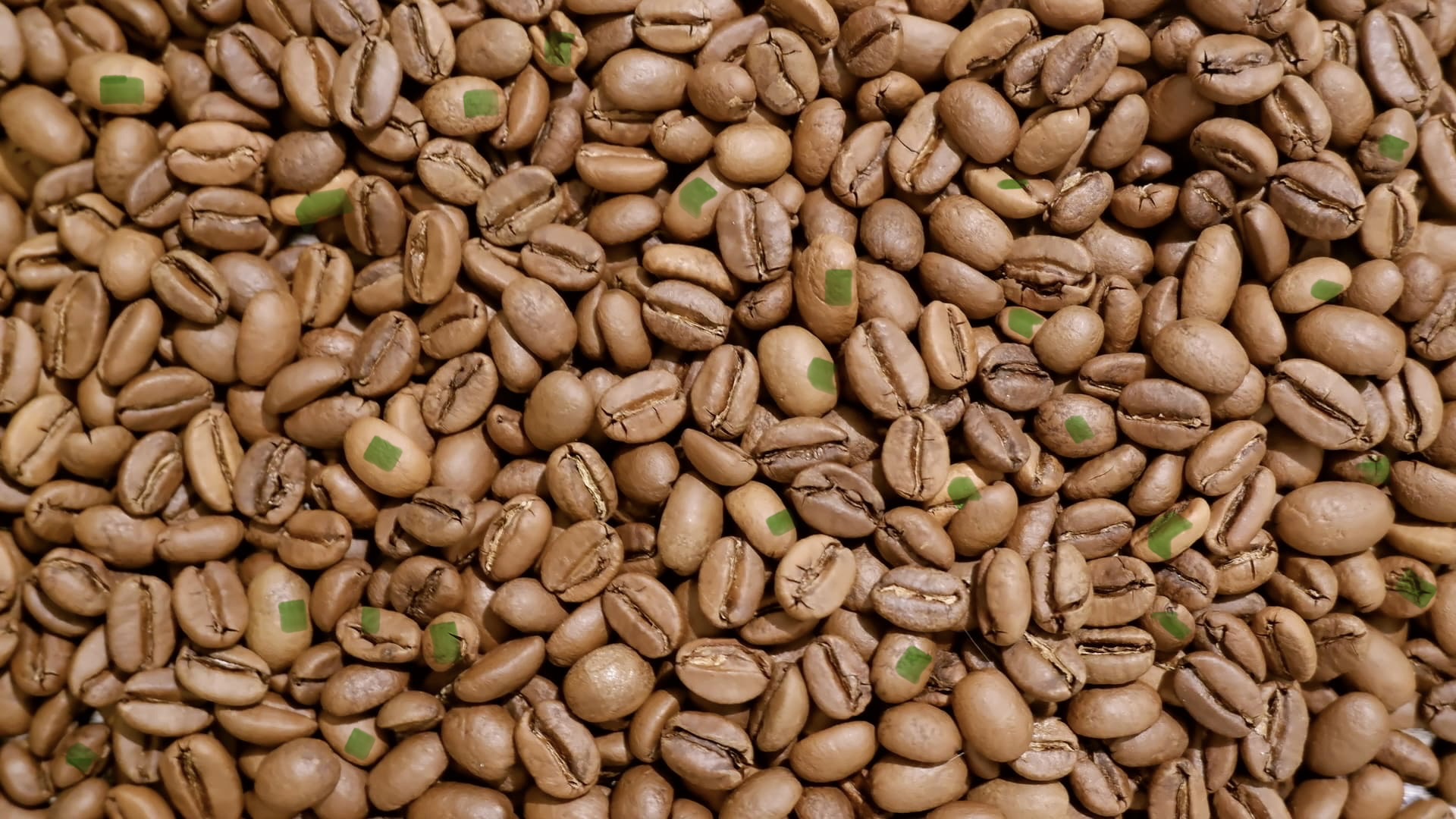
Well, that’s a bit out of my league, as it does not pertain to coffee. Just out of curiosity, and keep in mind that light behaves differently in certain parts of the photo, how many beans would you pull out of here?

Unfortunately, it might get you quality coffee for less. I say “unfortunately” because I’ve always wanted the producers and farm workers to have more money. What it will surely get you is unprecedented variety and choice. That being said, I feel like this is no longer a discussion for the forum. If it were, you’d just do a Google search and everything would be presented to you on a silver platter. That also being said, you may DM me and I will provide. You seem like a nice guy, and I always try to help people for no reason whatsoever. I won’t be needing any personal info and once you ask your question, it might take me a while to reply, because I will have a lot of things to gather considering there are a lot of options. What I’m saying is you’ll have to be a little patient because I will reply. I just can’t tell you how much time it will take. You know, life. This, of course, is not an invitation for everyone to DM me.

1 Like


I marked the beans I would inspect further, either because they looked lighter than the beans around them or they had some imperfection. The imperfections I look for are uneven outside, chips or missing pieces, uneven or unusual shape, and holes from insects. Also any bean that stands out among other beans that look good.

When I say inspect it means I crack them open and give them a smell and if it smells like something that would be good to drink it goes to the good pile and if not it goes to compost.

I have to agree with you about buying directly from the farm, and giving farmers a chance of making money without needing a middle man. It’s better for everyone at the end of the day.
I believe I need to being able to source from as many different places possible, like I mentioned above we have made a couple of connections to buy directly from farms and plan on continuing in that vein but having a cheaper option for the basic coffee drinker that doesn’t appreciate higher quality coffee is something we want to include in our lineup.

We have friends that have told us they prefer darker roasted coffee because they can make just as much coffee without using as many beans, because the bitter roasty notes are so strong. :sweat_smile:

I would refuse to roast a high end yellow bourbon or tipica mejorada dark. ( these are our favorite varieties from our friend in Ecuador )

We’re not going to cater to everyone all the time but if we can accomodate someone without crossing our own lines in the sand and limitations we would like to.

p.s.
I forgot to mention, those are some beautifully roasted beans, my impression was that they look super evenly roasted, very nice light medium roast and very few things to pick out, it looks like something I would see after googling perfectly roasted coffee beans!

1 Like

Please, don’t do that. Especially the last sentence.

It is also because the coffee has expanded much more and you’ve lost much more weight during roasting. That means that grounded 10 grams would look like much more than a light roast. It’s a volume and density thing. You would need a lot more space to load a metric ton of Styrofoam (XPS) than you would for a metric ton of steel. That’s also the reason you always hear Italians say 7g, because the coffee was burnt to a crisp, so 7g fills out the filter nicely. :laughing:

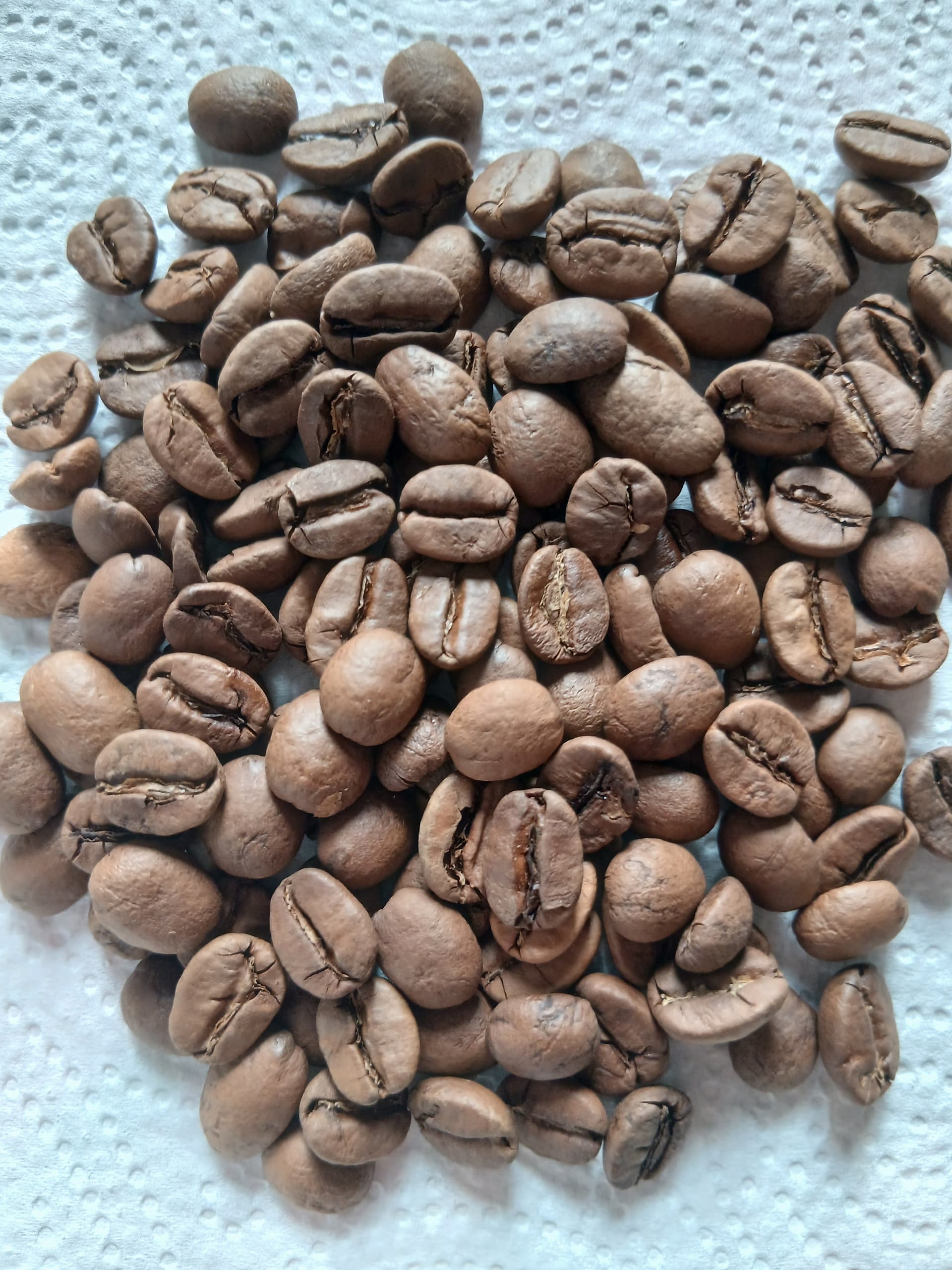
Also, this is what I’m drinking right now. It’s a wild fermented Brazilian. The fermentation is a 96h one, and the process is natural. What this all means is that you’ll have many imperfections due to the particular way of processing, but that doesn’t mean that one bean is better than the other. Even those you don’t sort, those that seem perfect to you, might not pass your crack them open test. Here’s a photo so you may see how imperfect the coffee is, but still it scored highly, for a Brazilian, because those imperfections do not have any impact on the cup. Look in the cracks to see how the chaff inside behaves differently from bean to bean, and also in the top right corner there’s one that cracked a bit more. That does not mean it’s not good.

1 Like

Unfortunately these friends measure on volume alone, the claim is he needs 2 scoops of coffee for a lighter roasted coffee and just over a scoop for the dark roast. Dark coffee is just more concentrated.

I’ll have to re examine and continue cupping. It’s hard to believe that you won’t get a clearer cup after removing beans that don’t impart anything good to the cup and sometimes impart something undesireable. Acknowledging that I don’t know everything and I have much to learn I have to test and see before digging in my heels. How is that Brazilian btw? I have tried fermented coffees and they are spectacular!

Do these friends have Italian ancestry? :smiley: Jokes aside, you never see people putting a whole tube of concentrated tomato in their pasta, because nobody has ever trained them to do so. With coffee things are a bit different. I hope you’re making them pay more because you lose more weight.

You already understand that I do love analogies more than anything. There are food stores that sell the ugly and damaged produce, and I can tell you that ugly and damaged things, more often than not, taste better. In the coffee world, there are these “experts” that can’t stop talking about the “clean cup”, while the best scoring coffees are usually naturals. Fermented naturals, or honey, to be precise. I like my cup as dirty as it can be. I want natural coffee, or any other fruit or vegetable, flavors, not something processed and sorted in OCD style because it’s a “cleaner cup”. These things are subjective, and clients have no idea what they’re buying or drinking. Once you’ve sorted or not, the best reaction you can hope for is good or bad. It is very hard to believe that all coffee drinkers would notice a difference between 84 and 90. Let alone between 89 and 91. Unless you’re catering high-brow know-it-alls, there’s really no need to waste good coffee. Waste is a huge problem, so I really avoid creating any. To add just a little something to the mix (pun intended). I was buying speakers in a high-end audio store many years ago. I was there because they had something I wanted at a very low price. While I was there, I had a chance to hear a lot of speakers and amps. You know, those that go for 100K and beyond. And I asked the guy there who buys those things. He said that it’s usually rich guys that don’t really listen to music but just buy them for show. Like cars. Now, I have a pretty modest system, but I can vouch that a pricier one would not make any difference. Yeah, people do believe, and belief is very important here, that they have the ear to distinguish between Sonus Faber, Monitor Audio, Goldmund, just to name a few, and Fyne or Wharfedale, but the truth is much different. My friend is a Concertmaster, or first violin if you prefer, in a very decent Philharmonic orchestra, and he does not hear anything different. Once we move away from classical, I hear more than him, because I know the songs and I know what to look for, while he does not. Like I said, this is all very subjective, but this is my POV. It might seem that I’m trying to influence someone, but I’m just stating my opinion. There’s also the option to ignore it.

As I’ve said, I love fermented naturals. That being said, as all Brazilians, this one lacks in acidity, but makes up for it in sweetness. I love high acidity coffees so, while it is excellent, and I do enjoy drinking it, it is not my favorite. You know, the coffee that stuck with me for a very long time was the Juan Calani red catuai. The first time I bought it he had just 1ha of land. Now he has 20ha in just a couple of years. It’s a coffee that scores very highly, but that really depends on many factors. Some years are just better than others. As for fermentation, I don’t know what to tell you. I would have to cup the same coffee on the farm, fermented vs non fermented, and then say if the difference is really noticeable. I can tell you that I have not tried a fermented coffee that disappointed me. There was even a robusta, fermented natural, that I liked. Not as much as others, but it was very good.

I mean even their acestry was Italian I’ve been trying to sway them towards the finer things, semi succesively, They don’t even weigh out the coffee they’re going to brew, haha
In this case it would be like not adding crushed tomatoes because you can just add tomato paste and more water :nauseated_face: :sneezing_face:

They don’t pay more, but they also get all the messed up roasts, experimental roasts and whatever else I try to push on them haha

I’m new to coffee so I cannot begin to say I know things for a fact. What I’m set on doing is trying to convert people to what I believe should be industry standard. I have been to specialty coffee shops that. serve good coffee. I always order the filter coffee, black, an espresso and if they have it one of their pour overs. I feel it gives me an overall impression of how well they cater to each part of the business and it sways me on wether or not to buy coffee from them to make at home. Unfortunately I always have the displeasure of finding quakers, the ones that for sure have a negative effect on the flavor. Except with The Coffee Project, I believe they have a visual sorter, they don’t do it by hand.

All this to say, I want to learn and practice roasting at a high level, whatever that is. Of course I don’t want unecessary waste, but I strive to serve my friends and family the best that I can. There used to be a time when people cared about quality and not profit, essentially I’m trying to live and act the way I wish people lived and acted.

This is simply to state my intention, I think you’re right and there is a something to knowing where the point of diminishing returns is. I also thank you for having the conversation with me, I like bouncing ideas off people, especially when I can see they care and know a lot about the topic at hand.

Seems that we enjoy similar coffee, bold acidity, touch of sweetness, fruityness. We will soon be going to Ecuador and helping process the coffee we’re going to be bringing back to roast, once I’m able to roast a batch I’m confident in it would be fun to exchange coffee with you if possible.

Thanks for the conversation thusfar!

1 Like

Those that have the almighty scoop don’t need scales. :smiley:

I can guarantee that one unripe bean can’t ruin a cup but, since you’re talking in plural, it certainly has a negative effect once there are too many. That being said, I’ve forgotten how a quaker looks like because I’m not finding any. As I’ve said before, I’ve only found them in lower grade Yemenis, but never took them out. There weren’t that many. There are some in Cubans, but the rest I don’t recall threlast time seeing them. Just so you don’t have to take my word for it, there’s another same claim here.

Tasting Quakers in Coffee. Searching for defects | by Robert McKeon Aloe | Medium

Now, you don’t even have to take his word for it, but I suspect nobody would be able to perceive 1 quaker, except on a subjective level.

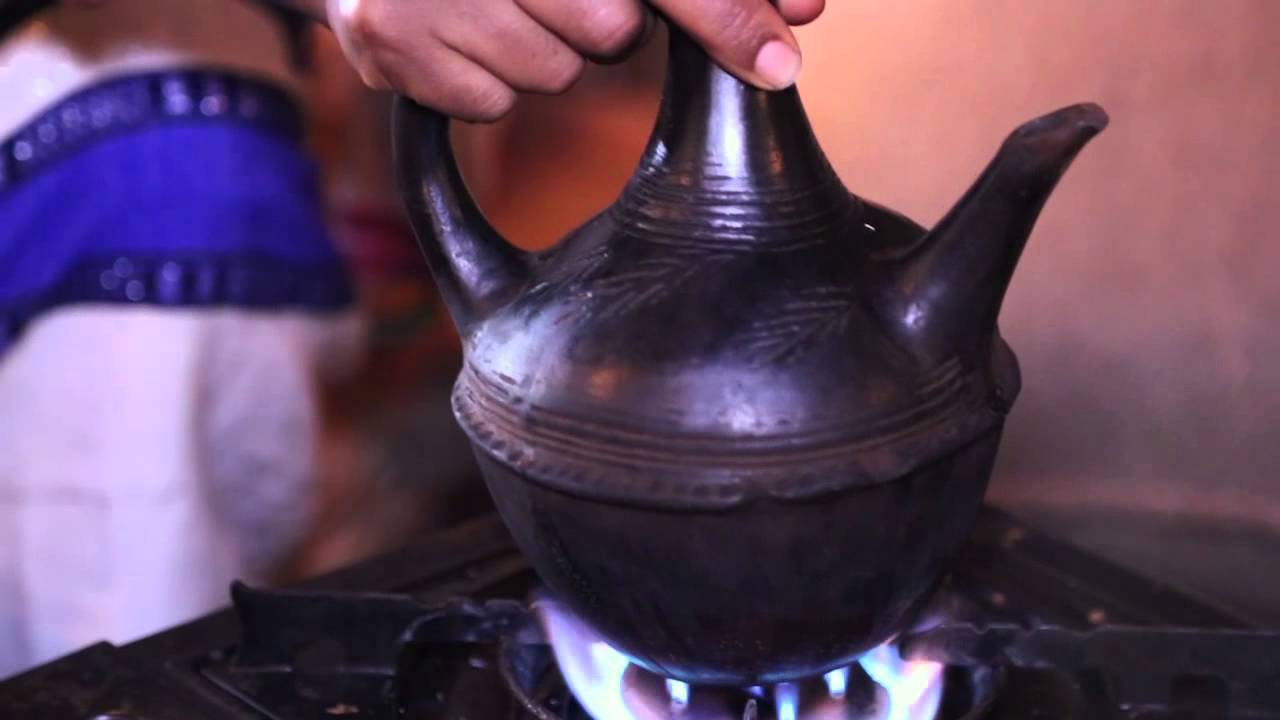
It’s as though I’m hearing myself speak. I must warn you that disaster lies that way, unless you have enormous amounts of money. And if you try to make it accessible for those that have less money, they will be first in line to drag you down. Specialty coffee is for the rich, and I don’t mean those extremely rich, just rich, so they can pay a $100/lb and talk about how good it is. In contrast, I do believe that this is a bit closer to what coffee actually is, even though it’s a dark uncontrolled pan roast. If you, or someone else, likes the background music, it’s the Ethiopian musician Samuel Yirga, and the song is Abet Abet.

No, thank you. I’m not sure about the “know” part, but I do care. I am sure that I’ve also enjoyed the conversation.

I don’t know how that would work, being on different continents and all, but if there’s a simple way to do it, I’m in.

3 Likes

This is a good conversation. Thank you @braca19452f9m for stating some of what has been on my own mind. I’ve been roasting for twenty-two years, read a little from time to time, buy small volumes of green coffees in varieties that I know I will like, mostly dry process, occasionally choosing something different just for interest. I don’t sell anything, and I occasionally give some away. The only thing that matters to me is whether I enjoy the coffee I roast for myself. I don’t get hung up on small details in time/temperature curves. If I see a quaker in the batch, and I don’t have to dig to much to find it, I will remove it, but I don’t sort beans.

As you mention, I believe coffee is much like music or audio (or cinema or video or digital photography) or other sensory interest. There are some who strive to refine their own innate ability (whether good or bad) through practice and those who have the innate ability to sense a single quaker or a single glitch in the ROR plot. The former are few; the latter are exceedingly rare (like individuals with perfect ears). Most of us are just pretenders (poseurs, if you prefer), and that’s okay. I accept that coffee roasting as a hobby and a coffee forum select for the innately talented, and those are probably over-represented in this community, so I’m not accusing anyone of having less talent then they project. For some, knowing that their cup is the best it can possibly be is important, whether they can blindly tell the difference or not. I simply don’t care that much. Furthermore, I’m 57 years old. My sensory abilities will never be what they were twenty or thirty or forty years ago. They are still good enough to know that the water is almost as important as the coffee.

It is all still worthwhile, because I think anyone with any amount of innate or acquired ability who makes a reasonable effort to follow basic principles will produce better coffee than almost anything they can buy locally.

3 Likes

I remember going over his house and digging out his kitchen scale. I was convinced that he could be swayed upon seeing how varied it actually is. I told him to take two scoops and to make it as even as possible. It was almost 5g off, I was thrilled it worked, convinced he would now be weighing his coffee before brewing I felt triumph, one small victory in the name of quality coffee. We’re now a year later and he’s talking to me about how dark roast only needs a spoon and a quarter where the lighter roast needed two. :rofl: the almighty scoop is undefeated…

Very interesting article and I will say that percieving a quaker is much easier in espresso than it is in a drip or pour over.

Thankfully I am not trying to introduce people to the best coffee on the market, I agree with you that it would be a fools errand. What I believe I can accomplish is easing people towards what I consider good coffee. I am a believer that one should enjoy the coffee you have in front of you. This means that every cup should have something that can be gained from it, even if it’s just perspective, so enjoy it. I think a minority of people can actually enjoy a $100/lb coffee enough to make it worth spending the money on it. Like an expensive bottle of wine, some people will drink a 9 dollar bottle and be happy as can be and even look down on people that would spend more than 30 dollars on a bottle.

The point I’m getting to is that I want to thread the needle berween price and quality so I can offer a better alternative to the commonly found coffee in our market to friends and family at a competitive price. In this scenario the price I charge covers overhead, my personal consumption and leaves a little bit on the side for reinvestment into better equipment, more beans, etc…

I saw that whole ritual before, I believe they do that in NYC, I could be mistaken. Apart from roasting it to the maximum degree in a pan, I don’t think they rest it either lol. I am tempted to make an effort to go experience one of these coffee rutuals but I am a little hesitant. On a side note, when I started roasting and still believed that darker was better, Ethiopian coffee beans were the ones that held up the best with high finish temperatures. I roasted a handful of batches to second crack ( I know, I’m hesitant to even admit it ) and I found that the Ethiopian beans, compared to other high altitude beans did not experience as much chipping as other beans that would come out in pieces.

Modest and knowledgable, I’m a fan lol

I will keep it in mind for when I feel confident I can send something worthy!

Tell me something that matters more and I’ll be skeptical, I feel that the first and most important metric in all of this is our own perspective.

That’s what it’s all about isn’t it? Maybe we can only become a little bit better, but that little bit makes a difference when you come to a place like this to share what your perspective is. I am a firm believer that the pursuit of self refinement is a worthy cause!

1 Like